The SaaS industry is booming. Global SaaS revenues are projected to exceed $200 billion, and the growth shows no signs of slowing down. Businesses across the world are shifting toward recurring revenue models, scalable digital products, and cloud-based solutions.
If you’ve ever wondered how to start a SaaS company, this guide will walk you through every step — from idea validation to building, marketing, scaling, and future-proofing your SaaS business.

SaaS (Software as a Service) is one of the most attractive business models today because:
- You build once and sell forever
- You earn predictable recurring income
- You can run the business remotely
- You can scale globally without shipping costs
By the end of this article, you’ll understand exactly how to start a SaaS company that generates consistent, scalable revenue.
how to start a SaaS company
What Is a SaaS Company?
A SaaS company delivers software through the internet instead of downloadable programs. Users access the software via a browser, usually by paying a monthly or yearly subscription.
Popular SaaS examples include:
The beauty of SaaS lies in accessibility, scalability, and automation.
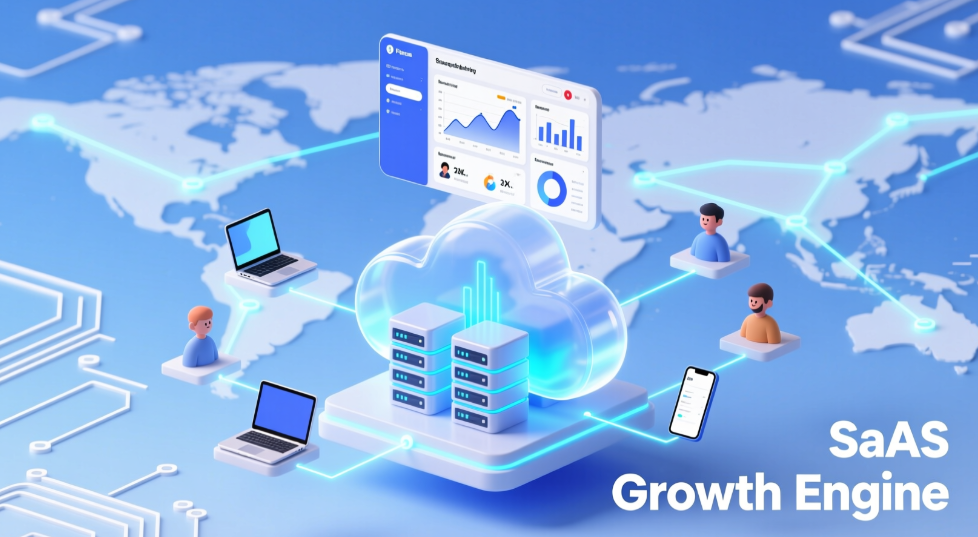
Why You Should Start a SaaS Company in 2025
Starting a SaaS company offers unique advantages:
- Recurring revenue instead of one-time sales
- High scalability with low marginal costs
- Global reach without physical logistics
- Remote-friendly operations
You can literally run a SaaS business from anywhere in the world — even the Bahamas.
Step 1: Market Research – The Foundation of Every SaaS Business
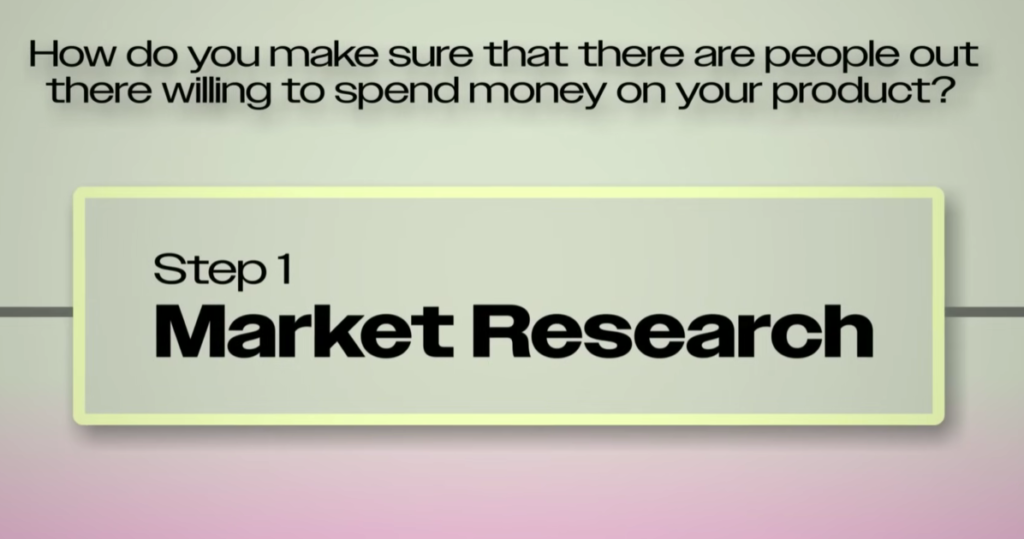
Before you write a single line of code, you must validate market demand.
Ask These Two Critical Questions:
- What problem does your SaaS product solve?
- Who exactly are you solving it for?
If people are already spending money to solve this problem, that’s a strong signal.
How to Do SaaS Market Research:
- Google your competitors
- Analyze market size and growth
- Study pricing models
- Identify emerging trends
- Research customer pain points
You can also use AI tools like Frederick AI to analyze industries, competitors, and growth opportunities.
Rule: Never build a SaaS product without confirming demand.
Step 2: Create a SaaS Prototype (Before Spending Big Money)
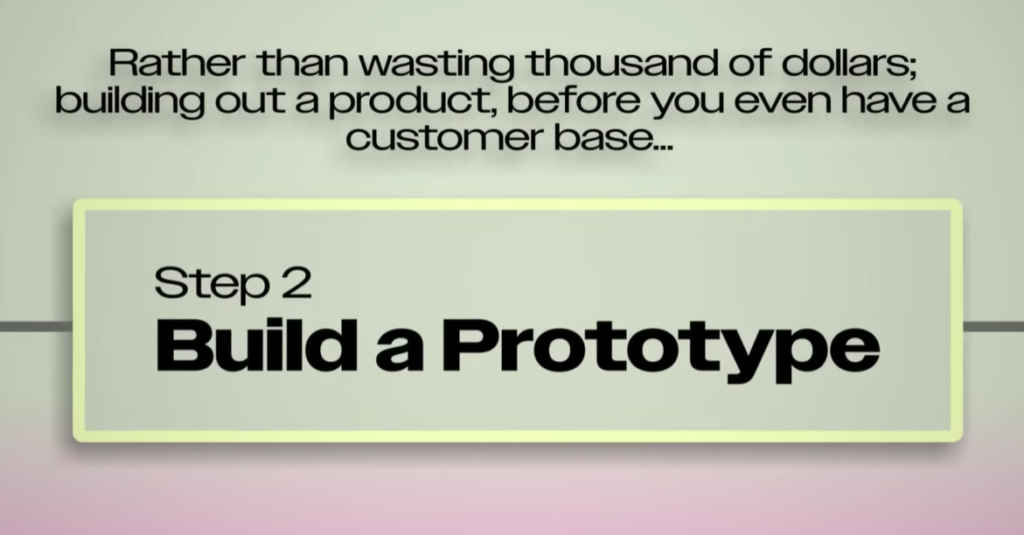
Instead of investing thousands into development, create a prototype first.
What Is a SaaS Prototype?
A prototype is a visual representation of your product — not the full software.
You can create prototypes using:
- Pen & paper
- Balsamiq
- Figma
This helps developers understand:
- Interface layout
- User experience flow
- Feature prioritization
A wireframe saves time, money, and confusion.
Step 3: Validate Your SaaS Idea (Most Important Step)
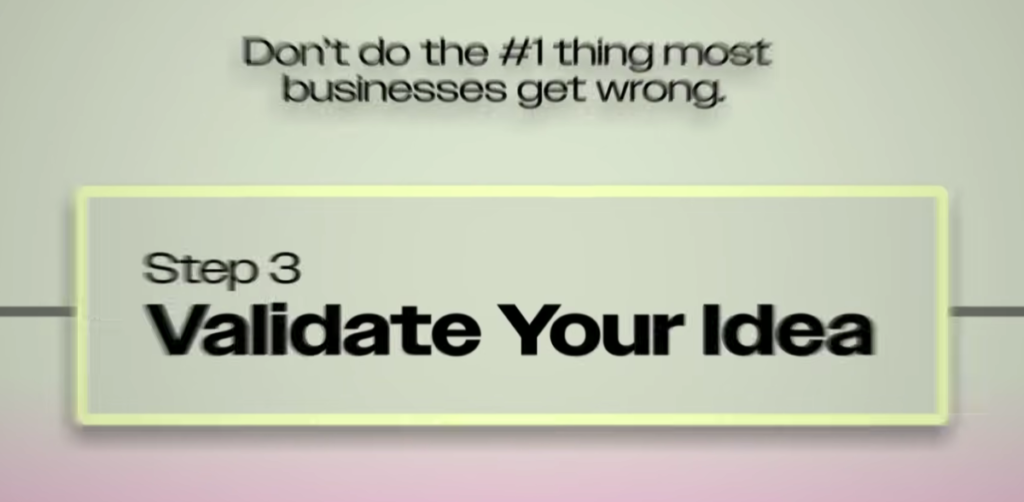
The biggest mistake founders make is building before validating.
A business officially starts the moment someone pays you.
SaaS Validation Methods:
1. Build a Waitlist
Create a landing page and collect emails before launch.
Tools you can use:
- Waitlist
- Viral Loops
- Shopify Forms
- Google Forms
Offer incentives like:
- Discounts
- Early access
- Bonus features
2. Early Adopter Program (Best Method)
Offer a discounted license for the first year.
Benefits:
- Proof of real demand
- Cash flow before launch
- Strong signal for investors
Give early adopters:
- Verified badges
- Feature-request influence
- Exclusive access
If people don’t pay, they’re unlikely to convert later.
Step 4: Build a Minimum Viable Product (MVP)
An MVP (Minimum Viable Product) includes only the core features required to solve the main problem.
Tools to Build a SaaS MVP:
Famous SaaS MVP Examples:
- Buffer: Started with a simple landing page
- Zapier: Manual integrations behind the scenes
- Airbnb: Listed founders’ own apartment
Your MVP doesn’t need perfection — it needs feedback.
Step 5: Choose the Right SaaS Pricing Model
Choose the Right SaaS Pricing Model
Pricing determines sustainability.
Common SaaS Pricing Models:
1. Subscription Pricing
Monthly or yearly payments
Examples: Netflix, Shopify
2. Freemium Model
Free basic version + paid upgrades
Examples: Dropbox, CapCut
3. Usage-Based Pricing
Pay for what you use
Example: Stripe
4. Flat-Rate Pricing
One price, all features
Examples: Notion, Adobe Express
5. Per-User Pricing
Price per seat/user
Examples: Slack, Zoom
A great pricing strategy maximizes customer success, not just revenue.
Step 6: SaaS Marketing – How Customers Find You
Even the best product fails without marketing.
Best SaaS Marketing Strategies:
1. Influencer & Affiliate Marketing
Partner with:
- Industry influencers
- Thought leaders
- Business communities
Offer:
- Free access
- Revenue share
- Affiliate commissions
Tools:
- LinkedIn Sales Navigator
- Apollo
- Shopify Collabs
2. Paid Ads
Run ads on:
- TikTok
Use:
- UGC
- Testimonials
- Short demos
3. Free Trials
Let users experience value before paying.
4. Educational Content
Create tutorials, reels, blogs, and case studies.
5. Social Proof
Show:
- Reviews
- Testimonials
- Success stories
Step 7: Build the Right SaaS Team
You don’t need a big team initially.
Key Roles:
- Developer
- UI/UX Designer
- DevOps Engineer (optional)
- Customer Support
Hiring Platforms:
- Toptal
- Wellfound
- Gun.io
You can also use no-code tools like:
- Bubble
- Glide
- Adalo
⚠️ Downside: You don’t fully own the platform.
Step 8: Retain Customers & Reduce Churn
What Is Churn Rate?
Churn Rate = Customers Lost ÷ Total Customers × 100
Typical SaaS churn rate: ~5%
How to Reduce Churn:
- Continuous updates
- Fast customer support
- Fix bugs quickly
- Collect feedback
- Solve real problems
Step 9: Scale Your SaaS Business
Use the 80/20 Rule:
- 80% of results come from 20% of actions
SaaS Scaling Strategies:
- Retarget existing customers
- Upsell premium features
- Expand into new markets
- Build a sales team
- Automate workflows
- Raise funding (optional)
Always reinvest where revenue already flows.
Future Trends in SaaS
- AI-powered SaaS
- Data as a Service
- Platform as a Service
- Micro-SaaS
- White-Label SaaS
- Market consolidation (acquisitions)
Many founders now build SaaS products to sell them to larger companies.
Final Thoughts: How To Start a SaaS Company Successfully
Starting a SaaS company is not about being the smartest person in the room. It’s about:
- Belief
- Speed
- Execution
- Continuous learning
Entrepreneurship means doing the known work for an unknown outcome.
If you take action, validate fast, and build for real problems, you can build a profitable SaaS business.
Now you know how to start a SaaS company — the only thing left is execution.
🚀 Go build your SaaS.
Frequently Asked Questions (FAQ)
1. How to start a SaaS company with no experience?
You can start a SaaS company with no experience by following a structured approach:
- Identify a real problem people are already paying to solve
- Validate the idea using a waitlist or early adopter program
- Build a simple MVP using no-code tools or developers
- Launch, collect feedback, and improve continuously
Many successful SaaS founders started without technical backgrounds by outsourcing development or using no-code platforms.
2. How much money do you need to start a SaaS company?
The cost to start a SaaS company varies widely:
- No-code SaaS: $100–$1,000
- MVP with freelancers: $3,000–$10,000
- Custom SaaS product: $20,000+
You can significantly reduce costs by validating your idea before building and starting with a minimum viable product (MVP).
3. What skills are required to start a SaaS company?
To start a SaaS company, you don’t need all skills yourself, but you should understand:
- Problem-solving
- Basic business and marketing principles
- Customer research
- Product management
Technical skills can be outsourced, but founder clarity and execution speed are critical.
4. How long does it take to build a SaaS company?
Building a SaaS MVP typically takes:
- 2–4 weeks for validation and wireframes
- 1–3 months for an MVP
- 6–12 months to reach stable recurring revenue
Success depends on market demand, execution speed, and marketing strategy.
5. What is the best SaaS business model for beginners?
For beginners, the best SaaS business models are:
- Subscription-based pricing
- Freemium model with paid upgrades
- Flat-rate pricing
These models are easy to manage, predictable, and scalable.
6. How do SaaS companies make money?
SaaS companies make money through:
- Monthly or yearly subscriptions
- Feature upgrades
- Usage-based pricing
- Per-user pricing
The goal is to generate recurring revenue instead of one-time sales.
7. How do you validate a SaaS idea before building it?
You can validate a SaaS idea by:
- Creating a waitlist
- Offering early access at a discount
- Running ads to a landing page
- Pre-selling licenses
If people pay before launch, your idea is validated.
8. Can I start a SaaS company without coding?
Yes, you can start a SaaS company without coding by using:
- Bubble
- Glide
- Adalo
- Shopify
These no-code tools allow you to build functional SaaS products without writing code.