Disclosure: This article contains affiliate links to tools such as Shopify, GetResponse, ConvertKit, and SEMrush. If you purchase through these links, I may earn a commission at no extra cost to you. I only recommend platforms I have researched or analyzed based on their commission structures and market reputation. This helps keep this site free and transparent.
Most comparison articles online are shallow.
They say:
- “Dropshipping = fast money.”
- “SaaS affiliate = passive income.”
That’s incomplete.
The real question is:
Which model creates predictable, scalable, and defendable income over 3–5 years?
This guide breaks profitability down by:
- Unit economics
- Cash flow timing
- Risk exposure
- Recurring revenue stacking
- Skill dependency
- Long-term asset building
No hype. Just business logic.
Quick Verdict
- If you have capital and understand paid ads → Dropshipping can generate faster revenue spikes.
- If you want low-risk, recurring, long-term income → SaaS affiliate marketing is structurally more profitable over time.
Now let’s unpack why.
Understanding the Core Difference (Business Model Level)
Dropshipping
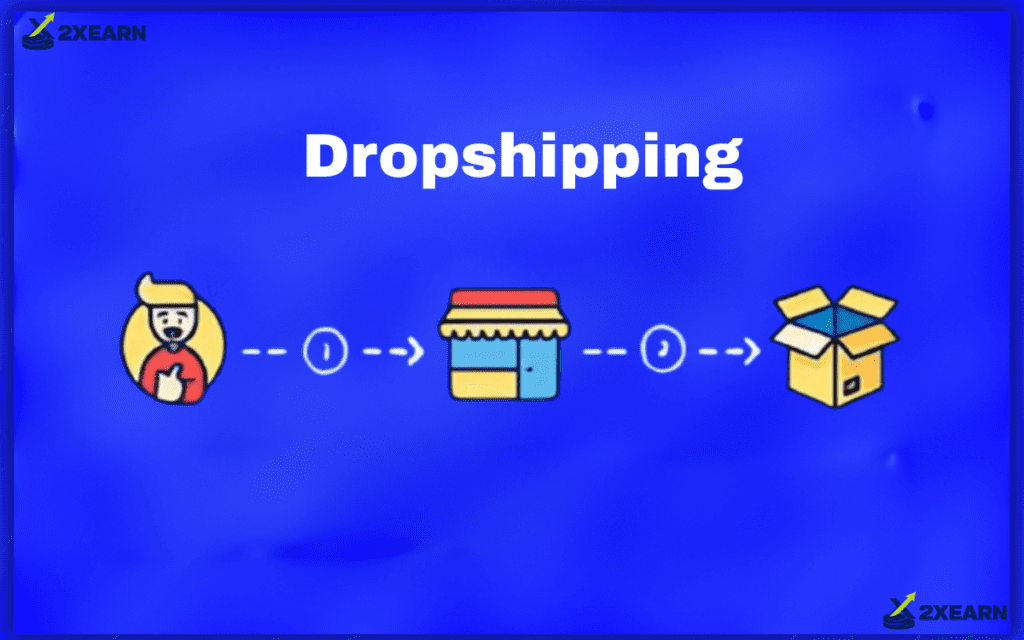
You sell physical products without holding inventory.
The supplier ships directly to the customer.
Revenue model:
Margin between product cost and selling price.
Main Platform Example:
- Shopify store
- Facebook/Google ads traffic
Software as a Service Affiliate Marketing
You promote subscription-based software tools and earn recurring commission.
Real SaaS examples with strong affiliate programs:
- Shopify (store builder)
- GetResponse (recurring commissions)
- ConvertKit
- SEMrush
Revenue model:
You earn 20%–50% monthly commission per customer — often recurring.
Profitability Breakdown (Real Numbers)
Let’s compare based on business mathematics, not motivation.
1. Startup Cost Comparison
Dropshipping
Minimum realistic test budget:
- Store setup
- Premium theme
- Apps
- Product testing ads
Expected starting budget: $500–$1,500
Why?
Because product testing requires ad spend. You don’t know what will convert.
SaaS Affiliate
Startup requirements:
Realistic budget: $100–$300
Main investment: Time + skill.
Winner: SaaS Affiliate (lower financial risk)
2. Profit Margin Analysis (Unit Economics)
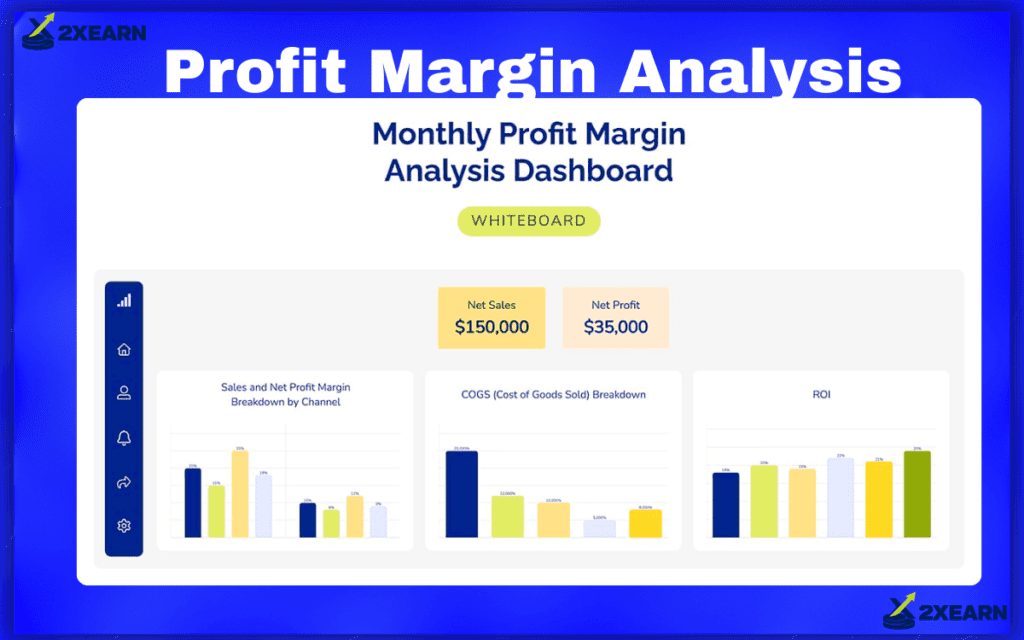
Dropshipping Example
Product cost: $15
Selling price: $35
Ad cost per conversion: $12
Processing fees: $2
Net profit: $6 per sale
Profit margin: ~17%
But refund rate?
Chargebacks?
Ad cost increases?
Margins fluctuate weekly.
SaaS Affiliate Example
Tool price: $49/month
Commission: 40% recurring
You earn: $19.60 per month per user
If you refer 100 users:
= $1,960/month recurring
Your cost?
Mostly content production.
Net margin: Often 70%+
Winner: SaaS Affiliate (structural margin advantage)
The Hidden Factor Nobody Talks About: Cash Flow Timing
This is where most “comparison articles” fail.
Dropshipping Cash Flow
- You pay for ads upfront.
- Revenue comes after conversion.
- Refund window creates instability.
- Ad account bans can freeze revenue overnight.
Your business depends on paid traffic algorithms.
SaaS Affiliate Cash Flow
- Traffic builds slowly (SEO/YouTube).
- Revenue stacks monthly.
- Recurring commissions compound.
- No inventory, no logistics risk.
Revenue grows like a subscription snowball.
Scalability Model Comparison
Dropshipping Scalability
Scaling = Increase ad budget.
Problem:
As you scale, ad costs increase.
Margins compress.
Also:
Supplier issues increase with volume.
SaaS Affiliate Scalability
Scaling = More ranking content + more audience trust.
If one article ranks:
It can generate commissions for years.
This creates a digital asset, not just a store.
Winner: SaaS Affiliate (long-term compounding model)
Risk Exposure Analysis
Dropshipping Risks
- Ad bans
- Supplier delays
- Shipping complaints
- Product saturation
- Payment processor holds
Risk Level: High
SaaS Affiliate Risks
- Google algorithm updates
- Commission structure changes
Risk Level: Medium
Lower operational stress.
Passive Income Reality Check
Dropshipping is not passive.
You manage:
- Customer support
- Refunds
- Disputes
- Suppliers
SaaS affiliate can become semi-passive once:
- Content ranks
- Email funnel runs automatically (using tools like GetResponse or ConvertKit)
That’s a major structural difference.
Long-Term Wealth Building Perspective
Ask yourself:
In 5 years, what would you rather own?
- A store dependent on trending products?
- Or a content asset generating recurring subscription commissions?
SaaS affiliate builds:
- Brand authority
- Organic traffic
- Email list
- Digital trust capital
Dropshipping builds:
- Cash flow
- But limited long-term brand equity (unless heavily branded)
Who Should Choose Dropshipping?
- You understand paid ads deeply.
- You can handle operational stress.
- You want faster revenue testing.
- You have risk capital.
Who Should Choose SaaS Affiliate?
- You prefer long-term asset building.
- You enjoy content creation.
- You want recurring revenue.
- You want lower upfront risk.
My Professional Insight
From analyzing commission structures and market sustainability trends in subscription businesses, recurring revenue models consistently outperform transactional models in long-term stability.
Subscription businesses have:
- Higher lifetime value (LTV)
- Predictable revenue
- Lower volatility
This makes SaaS affiliate structurally more durable.
Final Verdict
If your goal is:
Fast short-term cash → Dropshipping
Long-term scalable income → SaaS Affiliate
In 2026, recurring subscription ecosystems dominate digital profit models.
For most beginners, SaaS affiliate marketing is financially safer and more strategically sustainable.
FAQ
Is SaaS affiliate saturated?
No. Specific niches and tool comparisons still rank well if content is deep and experience-based.
Can dropshipping still make six figures?
Yes, but requires advanced ad optimization and product testing discipline.
Which is better for beginners in India or UK?
SaaS affiliate is easier due to no shipping complications and global digital products.