If you live in the UK and typed:
“how to make money online in the UK for free”
you’re probably in one of these situations:
- You’re a student who wants pocket money
- You want a side income after work
- Bills are rising and you need extra cash
- Or you just don’t want a second physical job
And you’ve noticed something…
Most websites either:
- suggest trading or crypto (risky)
- push paid courses
- or recommend apps that barely pay £2
So let’s clear it properly.
Yes — you can earn online in the UK without spending money.
But you won’t get rich in a week. You build it step-by-step.
This guide shows realistic methods people in the UK are actually using right now — using only a phone or basic laptop.
No joining fee.
No subscription.
No “deposit first”.

First: What “Free” Really Means
Free doesn’t mean “no effort”.
It means:
- You don’t buy a course
- You don’t pay registration fees
- You don’t invest capital
Instead, you invest time + skill.
Online income is basically a digital side job — not a lottery ticket.
Best Ways to Make Money Online in the UK (Without Investment)
1. Freelancing (Fastest First Earnings)
This is the quickest way to earn your first £20–£100 online.
Freelancing means you do small services for clients online, and they pay you.
You don’t need a degree or experience — only a basic skill.
Beginner skills that work well:
- Canva designs (Instagram posts, thumbnails)
- Simple writing
- Data entry
- Transcription
- Virtual assistant tasks
- Social media posting
Free platforms you can join:
Realistic earnings:
- First 2 weeks: £20 – £80
- 2–3 months: £300 – £900/month part-time
Why this works:
Small businesses in the UK would rather pay a freelancer £15 than hire an employee.
2. Online Surveys & Website Testing (No Skills Needed)
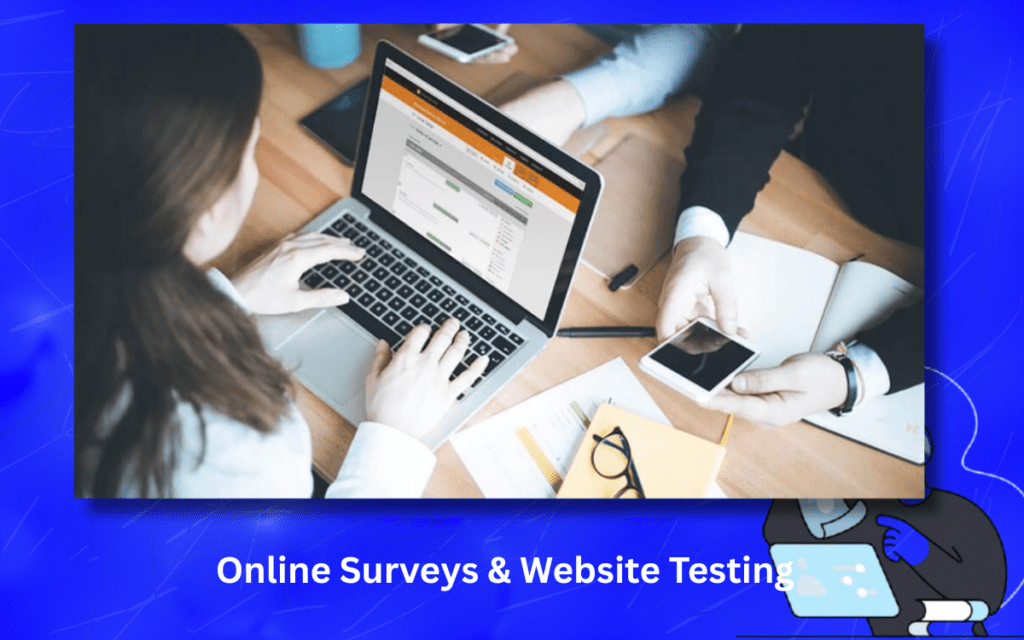
This is the easiest starting point if you have zero experience.
You won’t become rich — but you can make reliable side cash.
You get paid for:
- answering surveys
- testing websites
- giving opinions about products
Legit UK platforms:
- Prolific
- YouGov
- UserTesting
- Swagbucks
Expected income:
£20 – £120/month (depends on activity)
Many students use this to pay for subscriptions, phone bills, or groceries.
3. Content Writing (Best for Students)

If you can write clear English — you already have a monetizable skill.
You don’t need perfect grammar.
You need understandable writing.
What you write:
- Blog posts
- Guides
- Product descriptions
- Small website content
Where to find work:
- Fiverr
- Facebook job groups
- PeoplePerHour
Beginner pay:
£10 – £40 per article
Tip:
Write 2 sample articles in Google Docs → this becomes your portfolio.
4. Start a Blog (Long-Term Passive Income)

This is slower but powerful.
You can start free using Blogger or Medium — no hosting cost initially.
You write helpful posts → Google sends visitors → ads generate income.
Good UK blog topics:
- budgeting tips UK
- student life in the UK
- side hustles
- job advice
- tech tutorials
- AI tools
After traffic grows, you can apply for:
Google AdSense.
Timeline:
- 2–3 months → traffic
- 3–6 months → income
Many bloggers eventually earn £200–£2000/month.
5. YouTube (No Camera Needed)

You don’t have to show your face anymore.
You can create:
- screen recordings
- tutorials
- educational videos
- “top 5” videos
Free tools:
- CapCut
- Canva
- OBS Studio
- free AI voice tools
Channel ideas:
- Money saving tips UK
- Student hacks
- Tech tutorials
- AI tools
- Career advice
Income:
- Ads (AdSense)
- Affiliate links
- Sponsorships
Even small channels earn.
6. Selling Digital Products (Completely Free to Start)

You don’t need inventory or shipping.
You create once → sell unlimited times.
Examples:
- CV templates
- study planners
- Notion templates
- budgeting spreadsheets
Where to sell:
- Gumroad
- Payhip
- Etsy (optional later)
Many beginners make their first £50 this way.
Common Scams in the UK (Avoid These)
Very important.
Never trust:
❌ “Crypto doubling schemes”
❌ “Account flipping jobs”
❌ Paid WhatsApp job offers
❌ Amazon product reshipping jobs
❌ Paying a registration fee for remote jobs
Golden rule:
A real job pays you.
A scam asks you to pay first.
Which Method Should You Choose?
| Situation | Best Starting Option |
|---|---|
| No skills | Surveys + website testing |
| Student | Writing |
| Creative | Canva freelancing |
| Patient | Blogging |
| Confident speaker | YouTube |
7-Day Beginner Action Plan
Day 1: Choose one skill (writing or Canva)
Day 2: Watch 2 tutorials and practice
Day 3: Create 2 sample works
Day 4: Open Fiverr account
Day 5: Create 2 gigs
Day 6: Apply to 10 clients
Day 7: Repeat daily
Consistency matters more than talent.
Final Truth
People in the UK don’t earn online because they are lucky.
They earn because they start — and keep going after the first rejection.
You don’t need:
- a course
- a certificate
- or money
You need:
- internet
- a simple skill
- 1–2 hours daily
Start small.
Your first £10 online is the hardest — after that, it becomes much easier.
Quick FAQ
Is online earning legal in the UK?
Yes. Freelancing, blogging, and YouTube income are legal. You just declare income to HMRC once earnings pass the trading allowance.
Do I need to register a business?
Not initially. Most beginners start as a sole trader.
How fast can I earn?
Freelancing: 1–3 weeks.
Blogging/YouTube: 2–6 months.