Most online income models fail because they rely on one-time actions — one sale, one commission, one payout.
SaaS affiliate marketing is fundamentally different.
In 2026, businesses, creators, and even solo bloggers are shifting toward subscription-based tools. When you recommend the right SaaS product to the right audience, you don’t earn once — you earn every month.
This guide explains SaaS affiliate marketing not as a “hack,” but as a long-term digital asset strategy built on:
- Trust
- Real usage
- SEO-driven content
- Compounding income
This article is written for humans first, and optimized so Google can confidently recommend it.
(For Busy Readers)
SaaS affiliate marketing means promoting subscription-based software and earning recurring commissions. In 2026, it’s one of the most stable digital income models because:
- Commissions repeat monthly
- Software adoption is growing globally
- SEO and content outperform ads long-term
- Trust-based recommendations convert better
What Exactly Is SaaS Affiliate Marketing?
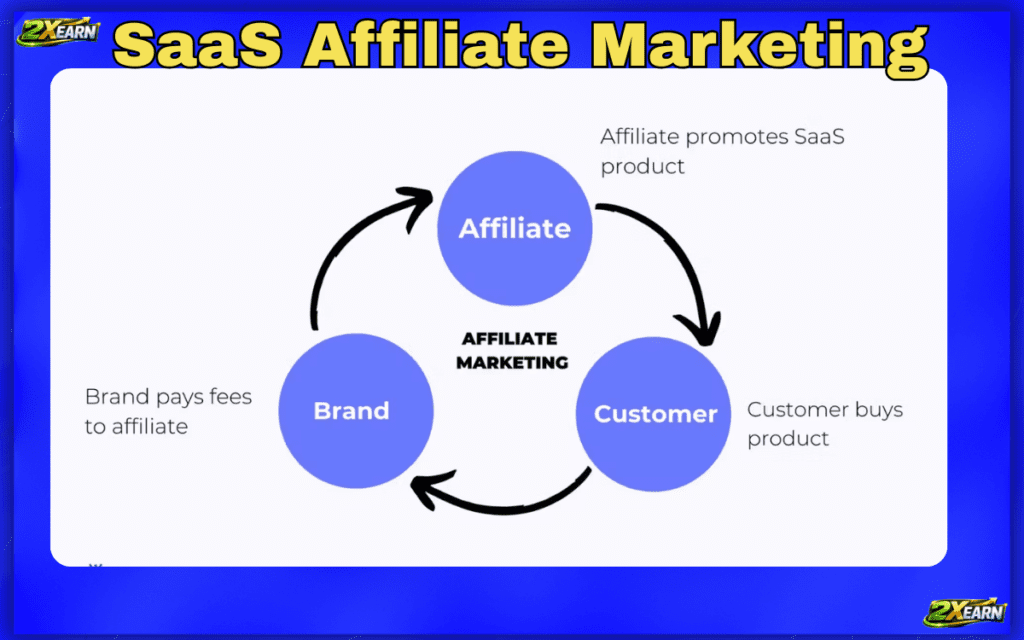
SaaS (Software as a Service) affiliate marketing involves recommending cloud-based software tools and earning a commission when users subscribe through your link.
Instead of physical products, you promote tools like:
- AI writing platforms (e.g., Jasper)
- Email marketing systems (e.g., GetResponse)
- Design tools (e.g., Canva)
- CRM and analytics software
Most SaaS companies offer:
- 20–50% recurring commissions
- Monthly or annual payouts
- Long cookie durations
- Affiliate dashboards with lifetime tracking
Why SaaS Affiliate Marketing Is Exploding in 2026
1. The Subscription Economy Is the New Normal
From startups to enterprises, businesses prefer monthly tools over one-time software. This creates predictable revenue — and predictable affiliate income.
2. AI & Automation Are Expanding Fast
AI-based SaaS tools now power:
- Content creation
- Marketing automation
- Finance & forecasting
- Customer support
Every new AI SaaS needs educators and explainers, not just ads.
3. SEO Beats Paid Ads Long-Term
Paid ads stop when money stops.
SEO content keeps working for years.
To rank SaaS content properly, creators must understand SEO content writing fundamentals, especially intent-based structure and topical authority.
(Internal bridge example: Learning SEO content writing helps SaaS affiliates rank comparison and tutorial pages sustainably.)
How SaaS Affiliate Marketing Works
Step 1: Choose One Focused SaaS Category
Authority beats variety.
High-performing categories:
- AI productivity tools
- Email & marketing automation
- Finance & accounting SaaS
- Website & SEO tools
Google prefers topical depth, not scattered reviews.
Step 2: Promote Only Tools You Can Explain Clearly
You don’t need to use every tool daily — but you must understand:
- Who it’s for
- What problem it solves
- When it’s NOT suitable
This is where Experience (E in EEAT) matters.
Step 3: Create Problem-Solving Content (Not Sales Pages)
Best-converting content types:
- “How to use X for Y”
- X vs Y comparisons
- Beginner tutorials
- Honest pros & cons
- Use-case breakdowns
Avoid hype language. Clear explanations convert better.
Step 4: Trust-Based Conversion (Not Aggressive CTAs)
SaaS users make logical decisions, not emotional impulse buys.
What builds trust:
- Screenshots or walkthroughs
- Feature explanations in simple language
- Security best practices (e.g., always recommending 2FA setup for SaaS logins)
- Transparent limitations
SaaS Affiliate vs Traditional Affiliate Marketing
| Factor | SaaS Affiliate | Traditional Affiliate |
|---|---|---|
| Commission Type | Recurring | One-time |
| Income Stability | High | Low |
| SEO Value | Strong | Medium |
| User Trust Required | High | Low |
| Long-Term Potential | Excellent | Limited |
This is why serious content creators move to SaaS.
Content Strategy That Actually Ranks (2026-Proof)
1. One Pillar Article per Tool
For each SaaS:
- 1,800–3,000 words
- Use cases + FAQs
- Screenshots or diagrams
- Internal links to supporting posts
2. Supporting Content Cluster
Examples:
- Best alternatives
- Pricing explanations
- Beginner guides
- Advanced workflows
This structure signals topical authority to Google.
3. Continuous Updates
SaaS changes often.
- Update features
- Refresh screenshots
- Revise pricing info
Freshness = trust.
Why Google Trusts Some SaaS Blogs and Ignores Others
Experience
Show real understanding:
- Practical examples
- Tool-specific workflows
- Common user mistakes
Expertise
Use correct terminology.
Explain features clearly — not marketing buzzwords.
Authoritativeness
- Reference official documentation
- Stay within your niche
- Build multiple interlinked articles
Trustworthiness
- Affiliate disclosure (done ✔)
- About & Contact pages
- Honest pros and cons
- Secure site (HTTPS)
This combination helps with ranking AND AdSense approval.
Common Mistakes That Kill SaaS Affiliate Sites
❌ Writing shallow, generic reviews
❌ Promoting too many tools
❌ No author identity
❌ No internal linking strategy
❌ Overloaded ads above the fold
❌ No real explanations
Google can detect low-effort content easily in 2026.
Is SaaS Affiliate Marketing Beginner-Friendly?
Yes — but it rewards patience, not shortcuts.
You need:
- Writing or explaining skills
- Basic SEO understanding
- Consistency
You don’t need:
- Paid ads
- Huge budgets
- Technical coding skills
Frequently Asked Questions (FAQs)
Is SaaS affiliate marketing still profitable in 2026?
Yes. Recurring commissions and growing SaaS adoption make it more profitable than traditional affiliate models.
How long does it take to see results?
Most sites see traction in 3–6 months, with compounding growth after that.
Can I start without investment?
Yes. Organic SEO and content-based SaaS affiliate marketing require time, not money.
Final Verdict: A Digital Asset, Not a Side Hustle
SaaS affiliate marketing in 2026 is best viewed as building a digital property.
If you:
- Focus on one niche
- Write genuinely helpful content
- Apply SEO + EEAT correctly
You create income that grows without restarting from zero every month.